

Table of Contents
Nutrition basics form the foundation of a healthy lifestyle and optimal well-being. Understanding the fundamental principles of healthy eating empowers you to make informed food choices that support your body’s needs. This comprehensive guide will provide you with 10 essential guidelines for developing healthy eating habits and achieving nutritional balance.
Introduction: The Foundation of Nutrition Basics
Understanding nutrition basics is crucial for maintaining good health and preventing chronic diseases. Proper nutrition provides your body with the essential nutrients it needs to function optimally, support immune function, and maintain energy levels throughout the day. These nutrition basics serve as the building blocks for a lifetime of healthy eating habits.
Healthy eating involves more than just counting calories. It encompasses understanding the role of different nutrients, making informed food choices, and developing sustainable eating patterns that support your overall well-being. These nutrition basics will help you create a balanced approach to eating that nourishes your body and mind.

Understanding Macronutrients
Macronutrients are the nutrients your body needs in large amounts: carbohydrates, proteins, and fats. Understanding these nutrition basics is essential for creating balanced meals that provide sustained energy and support bodily functions.
The three main macronutrients include:
- Carbohydrates: Primary energy source for the body
- Proteins: Building blocks for muscles, enzymes, and hormones
- Fats: Essential for hormone production and nutrient absorption
A balanced diet typically consists of 45-65% carbohydrates, 10-35% protein, and 20-35% fat, though individual needs may vary based on activity level, age, and health conditions.
Quality Over Quantity
When focusing on nutrition basics, prioritize the quality of your macronutrients. Choose complex carbohydrates over simple sugars, lean proteins over processed meats, and healthy fats over trans fats. These healthy eating principles will support your long-term health goals.
Essential Micronutrients
Micronutrients, including vitamins and minerals, are essential for numerous bodily functions despite being needed in smaller amounts. These nutrition basics include both water-soluble and fat-soluble vitamins, as well as essential minerals that support various physiological processes.
Key micronutrients and their functions:
- Vitamin C: Immune support and collagen production
- Vitamin D: Bone health and immune function
- Calcium: Bone strength and muscle function
- Iron: Oxygen transport in the blood
- B vitamins: Energy metabolism and nervous system function
- Zinc: Immune function and wound healing
Eating a variety of colorful fruits and vegetables ensures you get a wide range of essential micronutrients as part of your healthy eating plan.

The Importance of Water
Water is often overlooked in discussions about nutrition basics, yet it’s essential for every bodily function. Proper hydration supports digestion, temperature regulation, joint lubrication, and nutrient transport throughout the body.
General hydration guidelines include:
- 8-10 glasses of water daily for most adults
- More water during physical activity or hot weather
- Water needs may increase during illness
- Monitor urine color as a hydration indicator
- Include water-rich foods in your diet
Replace sugary beverages with water, herbal teas, or infused water to support your healthy eating goals while staying properly hydrated.
Mastering Portion Control
Portion control is a fundamental nutrition basic that helps prevent overeating and supports weight management. Understanding appropriate portion sizes allows you to enjoy a variety of foods while maintaining a balanced diet.
Effective portion control strategies include:
- Using smaller plates and bowls
- Reading nutrition labels
- Measuring portions when starting out
- Eating slowly and mindfully
- Stopping when satisfied, not stuffed
- Pre-portioning snacks
These portion control techniques are essential components of healthy eating that can help you maintain a healthy weight and support overall wellness.
Effective Meal Planning
Meal planning is one of the most valuable nutrition basics for maintaining healthy eating habits. Planning your meals in advance helps you make better food choices, save time, and avoid impulsive food decisions when you’re hungry or busy.
Steps for successful meal planning include:
- Creating a weekly meal schedule
- Preparing a comprehensive shopping list
- Batch cooking and meal prep
- Storing food properly to maintain freshness
- Having healthy snacks readily available
- Allowing flexibility for changes
Developing effective meal planning skills as part of your nutrition basics will support consistent healthy eating patterns.
Choosing Whole Foods
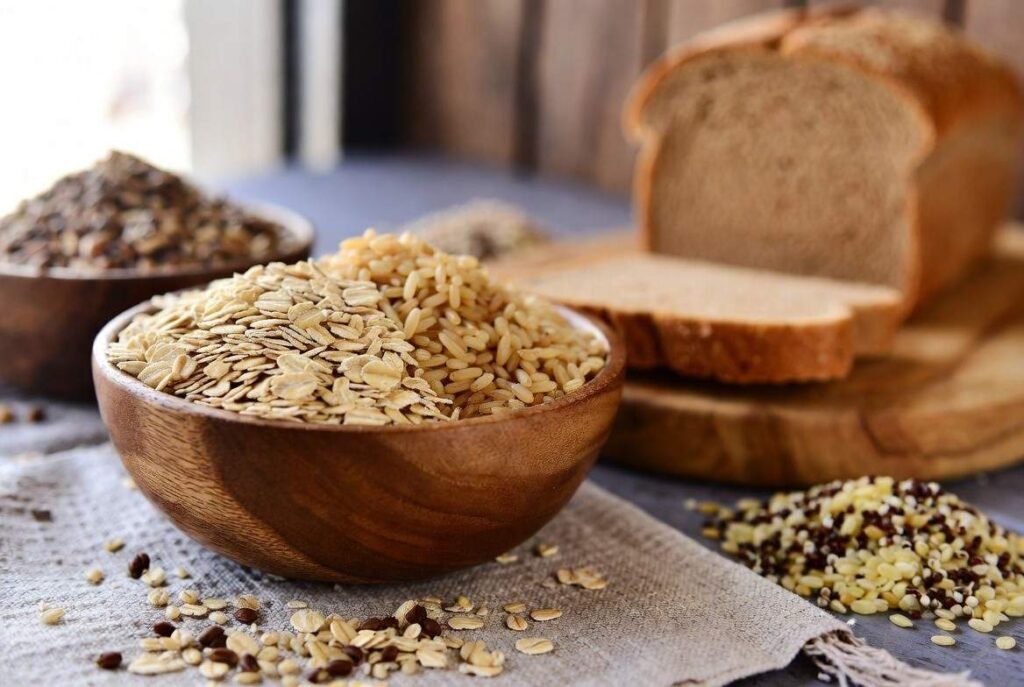
Whole foods are minimally processed and retain their natural nutrients, making them essential components of nutrition basics. These foods provide more fiber, vitamins, and minerals compared to heavily processed alternatives.
Examples of whole foods include:
- Fresh fruits and vegetables
- Whole grains like quinoa and brown rice
- Lean proteins such as fish and poultry
- Legumes and beans
- Nuts and seeds
- Unprocessed dairy products
Incorporating more whole foods into your diet is a fundamental principle of healthy eating that supports optimal nutrition.
Limiting Processed Foods
Limiting processed foods is a crucial nutrition basic that supports healthy eating and reduces the risk of chronic diseases. Processed foods often contain added sugars, sodium, and preservatives that can negatively impact your health when consumed in excess.
Strategies for reducing processed foods include:
- Cooking more meals at home
- Reading ingredient labels carefully
- Choosing frozen vegetables over canned when possible
- Preparing snacks at home
- Opting for minimally processed options
- Gradually reducing processed food intake
These strategies for limiting processed foods are essential nutrition basics that support your healthy eating goals.
Principles of Balanced Diet
A balanced diet incorporates all essential nutrients in appropriate proportions to meet your body’s needs. Understanding balanced diet principles is one of the most important nutrition basics for maintaining optimal health.
Components of a balanced diet include:
- A variety of fruits and vegetables
- Appropriate portions of lean proteins
- Whole grains for fiber and energy
- Healthy fats in moderation
- Adequate hydration
- Limited added sugars and sodium
Following these balanced diet principles as part of your nutrition basics will support your overall health and well-being.
Practicing Mindful Eating
Mindful eating is an important nutrition basic that involves paying attention to your food, eating slowly, and recognizing hunger and fullness cues. This practice enhances your relationship with food and supports healthy eating habits.
Mindful eating techniques include:
- Eating without distractions like TV or phones
- Chewing food slowly and thoroughly
- Noticing flavors, textures, and aromas
- Recognizing physical hunger and satiety signals
- Expressing gratitude for your food
- Stopping when comfortably full
Incorporating mindful eating as part of your nutrition basics can improve digestion and help you develop a healthier relationship with food.
Conclusion: Building Your Nutrition Foundation
These 10 essential nutrition basics provide a comprehensive framework for developing healthy eating habits that support your long-term health and well-being. Remember that nutrition is not about perfection but about making consistently better choices that nourish your body.
Start by implementing one or two of these nutrition basics rather than trying to change everything at once. Gradual, sustainable changes are more likely to become permanent healthy eating habits.
For additional resources on nutritional guidelines, visit our comprehensive nutrition guide. You can also explore our meal planning resources to support your healthy eating journey.
Remember that these nutrition basics are meant to complement, not replace, professional nutritional advice. Consult with registered dietitians or healthcare providers for personalized guidance based on your specific needs and health conditions.


