
Table of Contents
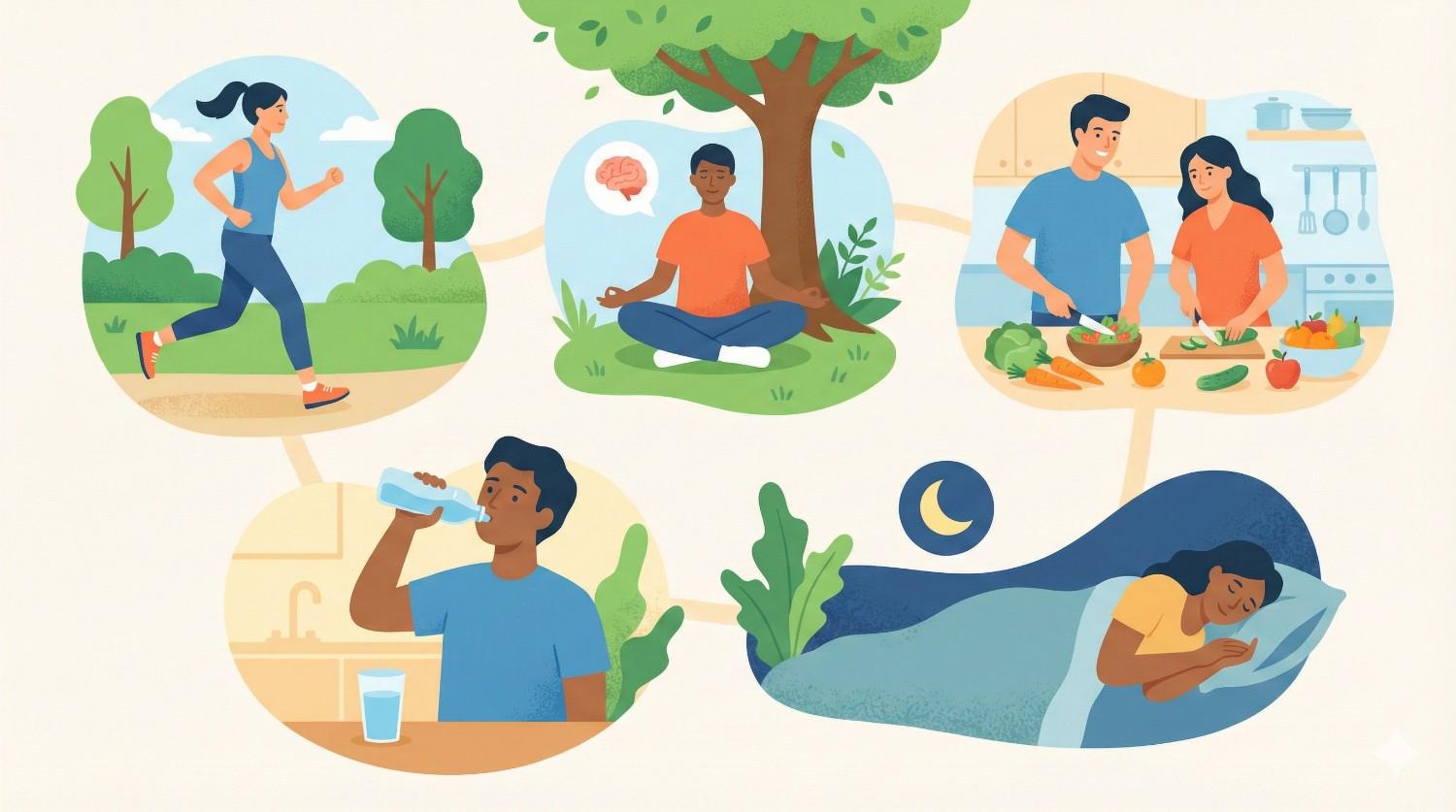
Healthy lifestyle practices form the foundation of a vibrant, energetic life. When you commit to a healthy lifestyle, you’re investing in your future self, reducing the risk of chronic diseases, and enhancing your overall quality of life. This comprehensive guide explores seven essential pillars that will transform your approach to wellness and help you achieve optimal health.
Adopting a healthy lifestyle doesn’t require dramatic overnight changes. Instead, it’s about making sustainable, incremental improvements that compound over time. From nutrition and exercise to mental health and sleep, each element plays a crucial role in your overall well-being. Let’s explore these fundamental components that will guide you toward lasting wellness.
Healthy Lifestyle Nutrition Fundamentals
Proper nutrition serves as the cornerstone of any healthy lifestyle. Your body requires a diverse array of nutrients to function optimally, repair tissues, and maintain energy levels throughout the day. Understanding nutrition advice is essential for making informed food choices that support your wellness goals.
A balanced diet should include a variety of whole foods such as fruits, vegetables, lean proteins, whole grains, and healthy fats. These foods provide essential vitamins, minerals, antioxidants, and fiber that your body needs to thrive. Processed foods, on the other hand, often contain excessive sodium, added sugars, and artificial ingredients that can negatively impact your health.
When planning your meals, aim to fill half your plate with colorful vegetables and fruits. These foods are rich in vitamins, minerals, and antioxidants that help protect your cells from damage and support immune function. Include a source of lean protein such as fish, poultry, legumes, or tofu to support muscle maintenance and repair.

Hydration is another critical aspect of nutrition. Water supports nearly every bodily function, from temperature regulation to joint lubrication. Aim to drink at least eight glasses of water daily, more if you’re physically active or live in a hot climate. Limit sugary beverages and excessive caffeine intake, which can dehydrate your body and disrupt sleep patterns.
Portion control plays a significant role in maintaining a healthy lifestyle. Even nutritious foods can contribute to weight gain if consumed in excessive quantities. Use smaller plates, eat slowly, and pay attention to your body’s hunger and fullness cues. This mindful approach to eating helps prevent overconsumption and promotes better digestion.
Meal planning and preparation can significantly support your healthy lifestyle goals. When you plan your meals in advance, you’re more likely to make nutritious choices and avoid the temptation of fast food or processed snacks. Dedicate time each week to meal prep, ensuring you have healthy options readily available.
Exercise Benefits for Your Healthy Lifestyle
Regular physical activity is one of the most powerful tools for achieving and maintaining a healthy lifestyle. The exercise benefits extend far beyond weight management, impacting cardiovascular health, mental well-being, and longevity. Incorporating both cardiovascular and strength-training exercises into your routine creates a comprehensive fitness program.
Cardiovascular exercise, such as brisk walking, jogging, cycling, or swimming, strengthens your heart and lungs while improving circulation. Aim for at least 150 minutes of moderate-intensity aerobic activity or 75 minutes of vigorous-intensity activity per week, as recommended by health experts. This level of activity significantly reduces the risk of heart disease, stroke, and type 2 diabetes.

Strength training is equally important for a healthy lifestyle. Building muscle mass increases your metabolism, improves bone density, and enhances functional movement. Include resistance exercises at least twice per week, targeting all major muscle groups. You don’t need a gym membership – bodyweight exercises, resistance bands, or household items can provide effective strength training.
Flexibility and balance exercises, such as yoga or tai chi, complement your cardiovascular and strength training routines. These activities improve range of motion, reduce injury risk, and promote relaxation. They’re particularly beneficial as you age, helping maintain independence and mobility.
Finding activities you enjoy is crucial for maintaining consistency in your exercise routine. Whether it’s dancing, hiking, playing sports, or gardening, choose activities that bring you joy. This positive association makes it easier to stick with your fitness goals long-term.
Start slowly if you’re new to exercise, gradually increasing intensity and duration. Listen to your body and rest when needed. Consistency is more important than perfection – even small amounts of physical activity provide benefits compared to being sedentary.
Mental Health in Your Healthy Lifestyle Journey
Mental health is an integral component of a truly healthy lifestyle, often overlooked in favor of physical aspects. Your mental well-being affects how you think, feel, and act, influencing your ability to handle stress, relate to others, and make healthy choices. Prioritizing mental health is essential for overall wellness.
Chronic stress can significantly impact both mental and physical health, contributing to conditions such as high blood pressure, heart disease, and depression. Developing effective stress management techniques is crucial for maintaining mental health as part of your healthy lifestyle. Practices such as meditation, deep breathing exercises, and mindfulness can help reduce stress levels.

Building resilience is another important aspect of mental health. Resilience helps you bounce back from setbacks and maintain a positive outlook during challenging times. Cultivate resilience by maintaining perspective, focusing on what you can control, and seeking support when needed.
Social connections play a vital role in mental health. Strong relationships provide emotional support, reduce feelings of loneliness, and contribute to a sense of belonging. Make time for meaningful connections with family, friends, or community groups. These relationships are essential for mental wellness as part of your healthy lifestyle.
If you’re struggling with persistent feelings of sadness, anxiety, or hopelessness, don’t hesitate to seek professional help. Mental health professionals can provide valuable support and treatment options. Taking care of your mental health is just as important as caring for your physical health.
Regular self-care activities, such as reading, taking baths, pursuing hobbies, or spending time in nature, contribute to mental well-being. Schedule these activities as you would any other important appointment, recognizing their importance in maintaining your mental health.
Sleep Quality and Your Healthy Lifestyle
Quality sleep is often called the “silent pillar” of a healthy lifestyle, yet it’s crucial for optimal health and well-being. During sleep, your body repairs tissues, consolidates memories, and regulates hormones that control appetite and stress. Poor sleep quality can undermine even the best nutrition and exercise efforts.
Most adults need 7-9 hours of quality sleep per night to function optimally. Establishing a consistent sleep schedule by going to bed and waking up at the same time each day helps regulate your body’s natural circadian rhythm. This consistency is essential for maintaining a healthy lifestyle.

Create a sleep-friendly environment by keeping your bedroom cool, dark, and quiet. Invest in a comfortable mattress and pillows that support proper alignment. Consider using blackout curtains, earplugs, or a white noise machine if environmental factors interfere with sleep.
Develop a relaxing bedtime routine that signals to your body that it’s time to wind down. This might include reading, gentle stretching, or taking a warm bath. Avoid stimulating activities, bright screens, and large meals in the hours leading up to bedtime.
Limits caffeine and alcohol intake, especially in the evening hours. Both substances can interfere with sleep quality and disrupt your natural sleep cycle. Instead, opt for herbal teas or warm milk if you need a bedtime beverage.
If you consistently struggle with sleep despite good sleep hygiene practices, consult with a healthcare provider. Sleep disorders such as sleep apnea or restless leg syndrome may require professional treatment to achieve quality rest.
Preventive Care as Part of Your Healthy Lifestyle
Preventive care is a proactive approach to maintaining health and detecting potential problems before they become serious. Regular check-ups, screenings, and vaccinations are essential components of a comprehensive healthy lifestyle strategy. These preventive measures can identify health issues early when they’re most treatable.
Schedule regular physical examinations with your healthcare provider. The frequency of these visits depends on your age, health status, and risk factors. During these appointments, your provider can assess your overall health, update vaccinations, and discuss any concerns or changes in your health status.
Age-appropriate screenings are crucial for early detection of common health conditions. These may include blood pressure checks, cholesterol screenings, diabetes screening, cancer screenings (mammograms, colonoscopies, skin checks), and bone density tests. Follow your healthcare provider’s recommendations for these preventive care measures.
Stay up-to-date with recommended vaccinations, including annual flu shots and other vaccines appropriate for your age and health status. Vaccinations protect not only you but also those around you who may be more vulnerable to infectious diseases.
Monitor your health at home by tracking important metrics such as blood pressure, weight, or blood sugar if recommended by your healthcare provider. Keeping a health journal can help you identify patterns and provide valuable information during medical appointments.
Don’t ignore symptoms or delay seeking medical attention when something feels wrong. Early intervention often leads to better outcomes and can prevent minor issues from becoming major health problems. Your preventive care approach should include being proactive about your health concerns.
Effective Stress Management for Your Healthy Lifestyle
Chronic stress can undermine even the most carefully planned healthy lifestyle efforts. Effective stress management techniques are essential for maintaining physical and mental well-being. Learning to identify stress triggers and developing healthy coping mechanisms is crucial for long-term wellness.
Physical activity serves as one of the most effective stress management tools. Exercise releases endorphins, which are natural mood elevators, and helps reduce stress hormones like cortisol and adrenaline. Even a short 10-minute walk can provide immediate stress relief benefits.
Time management skills can significantly reduce stress levels. Prioritize your tasks, break large projects into smaller, manageable steps, and learn to say no to commitments that don’t align with your priorities. Effective time management creates space for the wellness activities that support your healthy lifestyle.
Relaxation techniques such as progressive muscle relaxation, guided imagery, or deep breathing exercises can help activate your body’s relaxation response. Practice these techniques regularly, even when you’re not feeling stressed, so they’re more effective when you need them most.
Maintaining perspective during challenging times is crucial for stress management. Focus on what you can control and accept what you cannot change. This mindset shift can significantly reduce stress and help you approach problems more effectively.
Consider stress-reducing activities such as gardening, listening to music, crafting, or spending time with pets. These activities provide a healthy outlet for stress and contribute to your overall wellness as part of your healthy lifestyle.
Social Connections and Your Healthy Lifestyle
Strong social connections are increasingly recognized as a vital component of a healthy lifestyle. Meaningful relationships provide emotional support, reduce stress, and contribute to longevity. Social isolation, on the other hand, has been linked to increased risks of heart disease, depression, and cognitive decline.
Nurture existing relationships by staying in regular contact with family and friends. Make time for face-to-face interactions when possible, as these provide more benefits than digital communication alone. Quality conversations and shared experiences strengthen bonds and contribute to mental wellness.
Expand your social network by joining clubs, volunteer organizations, or community groups that align with your interests. These connections provide opportunities for new friendships while engaging in activities you enjoy. Regular social engagement is an important wellness tip for maintaining a healthy lifestyle.
Be a supportive friend and family member. Strong relationships are reciprocal, and providing support to others can be just as beneficial as receiving it. Acts of kindness and support strengthen social bonds and contribute to your own sense of purpose and well-being.
Consider the quality of your relationships. While quantity matters, the quality of your connections is equally important. Surround yourself with people who support your healthy lifestyle goals and encourage positive behaviors.
For those who live alone or have limited social connections, consider pet ownership. Pets provide companionship, encourage physical activity, and can significantly reduce feelings of loneliness. The human-animal bond contributes to mental health and overall wellness.
Building Your Sustainable Healthy Lifestyle
Creating and maintaining a healthy lifestyle is a journey, not a destination. The seven pillars we’ve explored – nutrition, exercise, mental health, sleep, preventive care, stress management, and social connections – work synergistically to support your overall wellness. Success lies in making sustainable changes that you can maintain long-term.
Remember that perfection isn’t the goal. Small, consistent improvements in multiple areas of your life will yield better results than dramatic changes in one area. Focus on progress, not perfection, and celebrate the positive changes you make along the way.
Building a healthy lifestyle requires patience and self-compassion. There will be setbacks and challenges, but these are normal parts of the journey. What matters most is your commitment to getting back on track and continuing toward your wellness goals.
As you implement these healthy lifestyle practices, pay attention to how they make you feel. Increased energy, better mood, improved sleep, and enhanced resilience are signs that your efforts are paying off. These positive changes will motivate you to continue your wellness journey.
Consider tracking your progress through a journal, app, or other tools that help you stay accountable. Regular assessment of your healthy lifestyle habits allows you to make adjustments as needed and celebrate your achievements.
Finally, remember that your healthy lifestyle is unique to you. What works for others may not work for you, and that’s perfectly fine. Experiment with different approaches, listen to your body, and create a wellness plan that fits your lifestyle, preferences, and goals.
By committing to these healthy lifestyle principles and making them a natural part of your daily routine, you’re investing in a future filled with vitality, energy, and optimal health. The journey toward wellness is ongoing, but the benefits – improved physical health, mental clarity, and emotional well-being – make every effort worthwhile.
Take the first step today, and remember that every positive choice you make contributes to your overall health and well-being. Your future self will thank you for the investment you’re making in your healthy lifestyle today.


